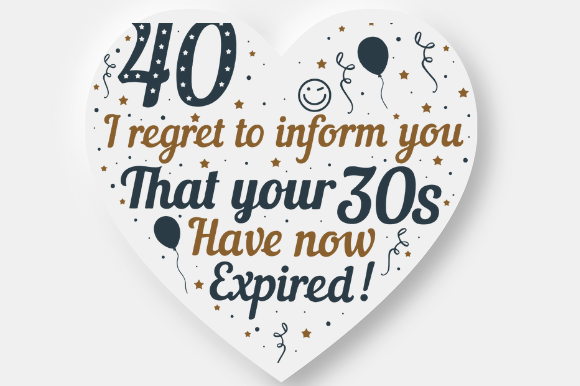
21st Birthday Novelty Embroidery Review
When you are looking at a digital asset for your embroidery business, the first thing I look for isn’t just the file format or the stitch count—it is the vibe. Does it feel like something a real person would wear? Does it translate well from a screen to thread? Today, I am breaking down 21ST BIRTHDAY NOVELTY, a graphic design marketed toward POD businesses and handmade sellers. As someone who has stitched thousands of designs for clients, friends, and craft fair customers, I want to share my honest take on how this design holds up in a real-world embroidery project.
First Impressions: Mood and Visual Personality
The title alone sets a specific tone. "Novelty" suggests fun, irreverence, and a bit of humor. In the world of custom apparel, especially for milestone birthdays, people aren’t usually looking for somber elegance; they want celebration. This design taps into that energy immediately. It feels like a piece of graphic design that was born to be worn by someone who doesn’t take themselves too seriously.
From a designer’s perspective, the layout appears bold. Novelty designs rely heavily on legibility and impact because the message needs to be understood instantly. Whether this is intended for a tote bag design, a sweatshirt embroidery project, or a playful apron, the visual personality screams "party." It fits perfectly into the category of personalized gift items where the recipient is marking a significant transition into adulthood with a wink rather than a nod.
Real-World Application: Where Does This Design Shine?
I have been thinking about where 21ST BIRTHDAY NOVELTY would actually perform best in my studio. Here is where I see the highest potential for customer satisfaction and sales:
- Custom Apparel & Sweatshirts: This is the obvious winner. A heavyweight cotton sweatshirt provides the perfect stable canvas for a novelty statement. The contrast between the casual fabric and the celebratory text creates a trendy, streetwear-inspired look that appeals to young adults.
- Tote Bags and Canvas Totes: For an Etsy seller, a durable canvas tote featuring this design is a low-cost entry point for buyers. It serves as a functional accessory that doubles as a conversation starter. The durability of canvas also means fewer issues with puckering compared to thinner fabrics.
- Embroidered Patches: If the design allows for clean edges, converting this into an iron-on or sew-on embroidered patch is a smart move. Buyers can attach these to denim jackets, backpacks, or beanies, extending the life of the garment while keeping the novelty element fresh.
- Kitchen Towels and Aprons: Never underestimate the power of kitchen novelty. A tea towel with this design makes a hilarious housewarming or birthday gift. The rectangular shape of a towel often accommodates wide graphic layouts beautifully.
However, I would hesitate to use this on delicate baby embroidery projects or formal wedding gifts. The tone is simply too casual for those contexts. Keeping the target audience clear—teens and young adults celebrating their 21st—will help you market this effectively.
Technical Considerations for Embroidery Designers
Before you load this digital embroidery file into your machine, there are several practical factors to consider. The difference between a professional-looking finished product and a amateur one often comes down to preparation and execution.
Fabric and Texture
This design likely features dense areas of text or graphics. You need to ensure your fabric can handle the tension. Avoid thin, stretchy knits unless you are using heavy-duty stabilizer. Fabric texture matters here; a smooth cotton or a sturdy canvas will render the satins stitches and fill stitches much more cleanly than a rough linen or a textured boucle. If you are working on dark fabric, make sure your thread colors offer high contrast. A novelty design relies on readability, so if the text gets lost in the background, the joke is lost too.
Hoop Size and Stability
Check the recommended hoop size for this design. If it is large, ensure your machine can handle it without distortion. Using the proper stabilizer is non-negotiable. For a design like this, which may have tight lettering, a cut-away stabilizer is often safer than a tear-away, especially if the final product will undergo frequent washing. Puckering around the edges of a large fill area can ruin the professional presentation of a small shop product.
Detail Level and Stitch Density
Examine the fine details in the design. Are there tiny decorative accents or small lettering? These areas require precise stitching. If the stitch density is too high, the fabric may pucker excessively. Conversely, if it is too low, the underlying fabric might show through, making the design look sparse. I always recommend testing the design on scrap fabric first to check how the running stitch outlines hold up against the fill areas.
Marketing and Commercial Viability
For craft business owners and commercial embroidery professionals, the question is always: will this sell? 21ST BIRTHDAY NOVELTY hits a sweet spot in the gifting market. Birthdays are recurring revenue streams, and the 21st is a major milestone. Unlike generic "Happy Birthday" designs, a novelty theme adds a layer of personality that justifies a higher price point.
When creating printable mockups for your online store, focus on lifestyle shots. Show the design on a denim jacket, a coffee cup sleeve, or a tote bag being carried at a festival. This helps the buyer visualize the finished product in their own life. Authenticity sells. If you are an Etsy seller, use keywords like "funny 21st birthday gift," "adulting milestone," and "novelty embroidery" to capture the right traffic.
Final Verdict and Practical Tips
Overall, 21ST BIRTHDAY NOVELTY feels like a solid addition to a library of seasonal and milestone designs. It is versatile enough for handmade products ranging from caps to pillow covers, provided you choose the right substrate. It captures a mood that is current and relatable, which is essential for engaging creative entrepreneurs and hobbyists alike.
Here is my checklist before you start stitching:
- Test Run: Always stitch a test version on the actual fabric you plan to use.
- Color Check: View the design in black and white to ensure contrast levels are sufficient.
- Licensing: Confirm the license terms. Are you allowed to sell the physical finished items? Do you need a commercial license for design assets? This varies by provider, so do not assume.
- Stabilizer Match: Pair the design with a stabilizer that matches the weight and stretch of your fabric.
If you are looking to add a touch of humor and celebration to your embroidery project lineup, this design is worth exploring. It bridges the gap between a simple graphic and a wearable piece of art, offering both visual appeal and emotional resonance. Just remember, the magic happens in the execution—so take your time, check your tension, and let the novelty shine through.