Hello Valentine Cricut Embroidery Review
As a designer who spends more time staring at stitch charts and fabric swatches than actually sleeping, I have learned to be skeptical of any digital asset that promises too much with too little detail. When Hello Valentine Cricut landed in my review queue, I didn’t just look at the preview image; I looked at the potential pitfalls. This is not just about whether it looks cute on a screen. It is about whether it translates into a high-quality, sellable, or deeply personal physical object. The product description notes that this design comes as an SVG cut file, which immediately raises questions for embroidery professionals: How does vector art convert to thread? Can it hold up under a hoop? Is it viable for a commercial craft business?
First Impressions and Visual Personality
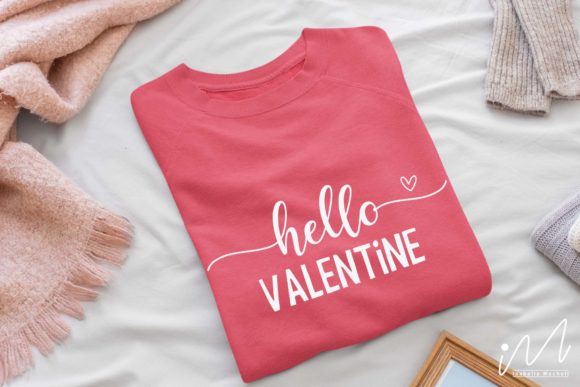
The moment you open the file, the mood is clear. "Hello Valentine" suggests warmth, approachability, and a touch of retro charm. In the world of handmade products, personality is everything. A generic heart is fine for a mass-produced tag, but it doesn’t tell a story. This design feels like it belongs to the category of personalized gifts that people actually keep. The typography appears bold enough to stand out, yet simple enough to not overwhelm smaller garments.
For those of us in the Crafts and Graphics sectors, the visual hierarchy matters. If the text is too thin, it will break during the stitching process. If the curves are too tight, they will pucker. From a pure aesthetic standpoint, this design strikes a balance between playful and professional. It creates a vibe that fits perfectly into the current trend of cozy, homey aesthetics. It feels right at home on a kitchen towel or a nursery wall, rather than on a high-fashion runway piece. That distinction is crucial because it sets the expectation for the finished product.
Real-World Application: The Tote Bag Scenario
Let’s talk about a real project. Imagine you are preparing inventory for an upcoming holiday market or listing items on Etsy. You decide to create a custom embroidered tote bag. This is a classic entry-level product for many Etsy sellers and small shop owners, but it is also one of the most unforgiving surfaces to work on. Canvas is thick, textured, and prone to shifting.
If I were to use Hello Valentine Cricut for this application, here is what I would consider. The design needs to be large enough to make a statement but contained enough to fit within a standard 5x7 inch hoop without hitting the edges. On a tote bag, the texture of the fabric can swallow up fine details. Therefore, the satin stitch quality around the letters becomes critical. If the lettering has intricate serifs or extremely thin lines, they might disappear into the weave of the canvas. However, if the design relies on solid blocks of color or clean geometric shapes, it will pop beautifully against the neutral background of a natural cotton bag.
This scenario highlights why understanding your stitch density is vital. A design that looks great on a smooth jersey t-shirt might look muddy on a rough linen apron. By testing this design on scrap fabric first, you can determine if the thread colors provide enough contrast against your chosen material. For a Valentine’s Day theme, red and white or pink and black are classic choices, but don’t overlook how dark fabrics can mute lighter threads unless you use a proper underlay.
Apparel and Baby Items
Beyond bags, this design shines in the realm of custom apparel. Think about sweatshirts or hoodies. The chunky nature of knit fabrics hides minor imperfections in stitching, making it a forgiving medium for beginners. Placing "Hello Valentine" across the chest or on the back pocket adds a trendy, streetwear-inspired touch that appeals to teenagers and young adults. Similarly, for baby embroidery, such as onesies or bibs, the softness of the fabric allows for finer details. However, caution is advised with delicate baby clothes; ensure the stabilizer used is gentle and removable so the garment remains comfortable against sensitive skin.
An embroidered patch version of this design could also serve as a detachable accessory. Many modern jackets and denim vests feature patches as a form of self-expression. If you digitize this design specifically as a patch, you add a border of fill stitch to give it structure. This transforms a simple quote into a wearable badge of affection, increasing the perceived value of the item.
Where Caution is Required
No design is perfect for every situation. There are specific scenarios where Hello Valentine Cricut might struggle. First, avoid using this on highly textured fabrics like heavy wool or boucle unless you are an expert. The needle may skip stitches, or the fabric may distort. Second, be wary of using it on stretchy knits without adequate stabilizer. If the fabric stretches during stitching, the design will warp, resulting in a misaligned message that looks unprofessional.
Another area of concern is small hoop sizes. If you attempt to shrink this design down to fit a tiny 2x2 inch hoop, you risk losing legibility. Tiny lettering requires precise running stitch execution, and any slight movement of the hooping mechanism can cause blurring. Furthermore, on curved surfaces like baseball caps, the flat layout of the digital file must be carefully mapped to the curve of the brim or crown. If the text wraps incorrectly, it can look disjointed. Always inspect the corners of the design in your software before sending it to the machine.
Practical Designer Notes for Success
To ensure your finished product meets professional standards, follow these practical steps:
- Test on Scrap Fabric: Never run a new design directly onto your final customer item. Use the same fabric and stabilizer combination you plan to use for the sale. This reveals issues with puckering, tension, or color blending.
- Check Thread Contrast: View your design in black and white mockups. If the text blends into the background, switch to a higher contrast thread color. For example, dark red on black might vanish, whereas bright pink on black will sing.
- Review Stitch Density: High-density designs use more thread and take longer to stitch, increasing production costs. Ensure the design is optimized for efficiency without sacrificing clarity.
- Confirm Licensing: Before selling any commercial embroidery items, verify the license terms associated with the file. Some digital assets allow personal use only, while others permit limited commercial sales. Clear licensing protects your craft business from legal issues.
- Inspect Small Details: Zoom in on the digital file. Are there any isolated pixels or tiny elements that won't translate well to thread? Remove or simplify them if necessary.
Conclusion: A Solid Choice for Creative Entrepreneurs
Ultimately, Hello Valentine Cricut offers a versatile foundation for various embroidery projects. It balances aesthetic appeal with practical usability, making it suitable for everything from quick personal gifts to polished boutique merchandise. Its strength lies in its simplicity and emotional resonance. It speaks directly to the buyer’s desire for connection and celebration.
For digital product sellers and design assets creators, this file provides a reliable starting point. It allows for customization in size and color, enabling you to tailor the design to different markets. Whether you are creating holiday embroidery collections, printable mockups for marketing, or actual stitched goods, this design holds its own. By approaching it with a critical eye and adhering to best practices in digitization and stitching, you can transform a simple SVG into a cherished handmade product that customers love.
In the competitive landscape of small shop products, attention to detail is your greatest asset. This design gives you the visual hook; your expertise ensures the quality. Use it wisely, test thoroughly, and watch your engagement grow.