NURSERY GIFT Embroidery Review
When I scroll through digital design marketplaces looking for that next project to stitch, I am usually hunting for something with immediate visual impact. As a designer who reviews embroidery files for both personal hobby projects and commercial small business lines, I have learned to look past the marketing fluff and focus on stitchability, aesthetic cohesion, and market viability. Recently, I took a close look at NURSERY GIFT, a graphic design asset marketed heavily toward print-on-demand (POD) and craft businesses. The description promises typography, graphics, vintage effects, and retro vibes suitable for t-shirts, jewelry, and general apparel. But does it translate well from a screen to the needle plate? Here is my practical evaluation of how this design holds up in real-world embroidery scenarios.
First Impressions and Visual Personality
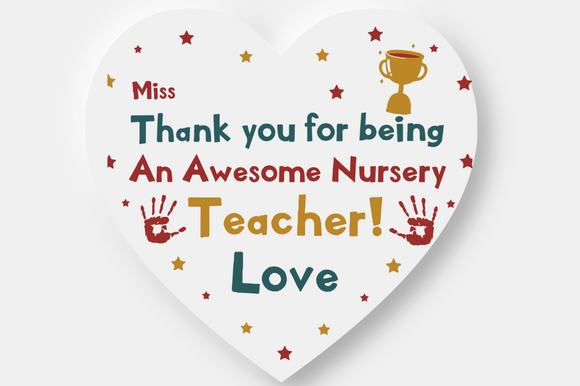
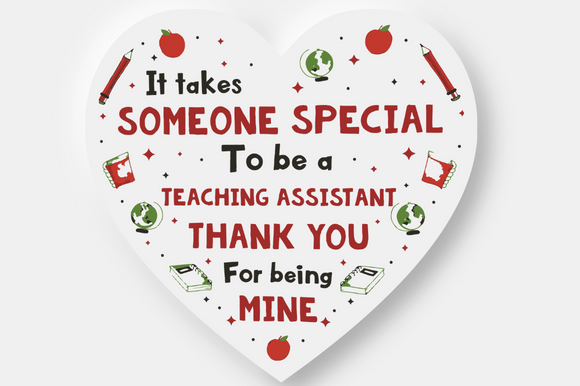
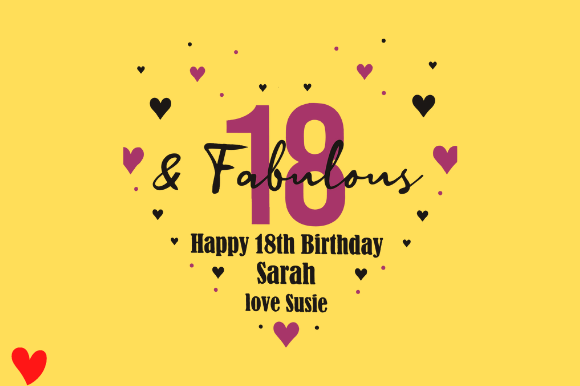
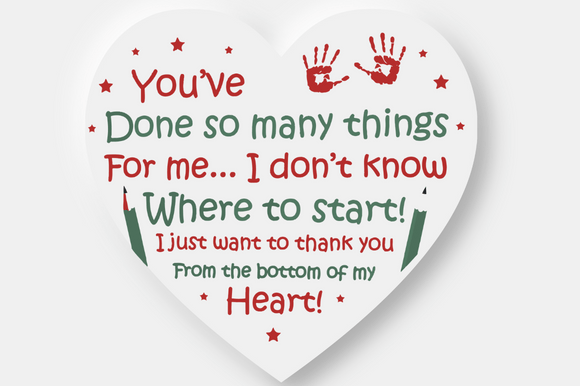
The core appeal of NURSERY GIFT lies in its nostalgic undertones. The "vintage effects" and "retro" descriptors suggest a design that leans into warmth, comfort, and perhaps a touch of whimsy. In the world of handmade goods, nostalgia is a powerful driver. It suggests care, tradition, and timelessness. Visually, the layout appears to balance typography with supporting graphics, which is crucial for embroidery. A design that relies solely on text can sometimes feel sparse or require complex lettering stitches that may not hold up over time. However, if the graphic elements are robust enough to carry weight without excessive fine detailing, the design has strong potential.
The mood created by NURSERY GIFT is undeniably soft and inviting. It feels suited for items that are meant to be held, worn close to the body, or displayed as cherished keepsakes. For an embroiderer, this translates to a design that likely benefits from clean lines and moderate detail. It avoids the chaotic energy of streetwear graphics, aiming instead for a boutique, artisanal feel. This makes it highly versatile for gift-giving occasions, particularly those centered around new beginnings, such as baby showers or nursery decor.
Real-World Application: From Screen to Stitch
To truly judge an embroidery file, you must imagine it on fabric. I envision NURSERY GIFT performing exceptionally well on structured cotton canvases. Imagine a custom embroidered tote bag made of heavy-duty canvas. The vintage aesthetic pairs naturally with the texture of natural fibers. The design would pop against a cream or pastel background, offering a charming contrast that elevates a simple accessory into a statement piece. Similarly, on a sweatshirt or hoodie, the retro vibe aligns perfectly with the cozy, casual nature of the garment. It feels like a design that belongs in a curated Etsy shop specializing in handmade home goods or personalized gifts.
Baby items represent another strong use case. A onesie, bib, or burp cloth featuring NURSERY GIFT could serve as a memorable shower gift. The typography, assuming it is legible and not overly stylized to the point of ambiguity, would read clearly even when stitched small. For craft fair sellers, this design offers a ready-made solution for creating cohesive product lines. You could easily expand the concept to include matching pillow covers, tea towels, or aprons, leveraging the same graphic language to build brand recognition. The versatility extends to holiday embroidery as well; while the title suggests a nursery theme, the retro elements could be adapted for seasonal gifting, provided the color palette is adjusted appropriately.
Where Caution Is Required
Not every design is created equal, and NURSERY GIFT has specific constraints that an experienced designer must navigate. First, consider the hoop size. If the graphic includes intricate details or tiny lettering, attempting to stitch it in a small hoop may result in lost definition. Tiny fonts often suffer from thread breakage or merging during the stitching process, especially if the stitch density is high. It is vital to inspect the design closely before digitizing or ordering the file. If the typography is delicate, you may need to scale it up or simplify the vector paths to ensure clarity.
Fabric choice plays a significant role in the final outcome. Textured fabrics, such as chunky knits or distressed denim, can obscure fine details. Stretchy fabrics pose a risk of distortion if the stabilizer support is insufficient. Dark fabrics present their own challenge; if the design relies on light-colored threads for contrast, you will need to ensure the background fabric provides enough luminance. Conversely, stitching light threads on dark fabric requires careful underlay placement to prevent show-through. Additionally, curved surfaces like caps or hats require designs that conform to the shape without pucker. If NURSERY GIFT contains large fill stitches, they may distort on a curved brim unless specifically digitized for that application.
Another area of concern is durability. Items that undergo frequent washing, such as baby clothes or kitchen towels, need designs that withstand wear. Dense stitch areas can become stiff and uncomfortable if not balanced with running stitches or proper spacing. Decorative accents should be evaluated for their ability to survive machine laundering without fraying or losing their shape. Always test the design on scrap fabric first to assess how the threads interact with the specific material you intend to use.
Practical Designer Notes for Success
- Test on Scrap Fabric: Never assume a design will stitch perfectly on your final product. Run a test stitch-out to check for tension issues, thread breaks, and alignment accuracy.
- Check Thread Color Contrast: Evaluate the design in black and white mockups to ensure sufficient contrast between the thread colors and the fabric. Poor contrast can make the design look muddy or indistinct.
- Review Stitch Density: High stitch counts can lead to stiffness and puckering. Ensure the design uses efficient stitching techniques, particularly in fill areas, to maintain fabric drape.
- Confirm Hoop Size Compatibility: Verify that the design fits within your intended hoop size without requiring awkward re-hooping or trimming.
- Inspect Small Details: Zoom in on the graphic elements. Are there any thin lines or tiny shapes that might disappear after stitching? Simplify if necessary.
- Stabilizer Selection: Use the appropriate stabilizer for your fabric type. Cut-away stabilizers are generally recommended for stretchy or textured fabrics to provide long-term support.
- Licensing Verification: Since this is marketed as a graphic design for POD and commercial use, double-check the licensing terms. Ensure you have the right to sell finished physical products or digital assets derived from this design.
Final Verdict on Market Potential
NURSERY GIFT offers a compelling blend of vintage charm and modern utility. Its strength lies in its adaptability across various handmade products, from custom apparel to nursery decor. For the Etsy seller or small shop owner, it provides a reliable foundation for creating visually appealing, emotionally resonant products. The retro aesthetic taps into current trends favoring authenticity and craftsmanship, making it a smart choice for brands looking to stand out in a crowded marketplace.
However, success depends on execution. The difference between a mediocre embroidered item and a premium one often comes down to attention to detail—choosing the right fabric, using quality thread, and ensuring precise stitching. By treating NURSERY GIFT as a starting point for thoughtful design rather than a plug-and-play solution, you can create finished products that customers will value and cherish. Whether you are crafting a personalized gift for a friend or building a line of boutique merchandise, this design has the potential to add a touch of timeless elegance to your work. Just remember to test thoroughly, plan your materials carefully, and let the quality of your craftsmanship speak for itself.
In the broader context of Crafts and Graphics, NURSERY GIFT stands out as a versatile asset that bridges the gap between digital convenience and tactile artistry. It respects the traditions of embroidery while embracing the efficiency needed for modern creative entrepreneurs. With careful planning and professional execution, it can serve as a cornerstone for a successful embroidery project, delivering both aesthetic satisfaction and commercial value.