Review: Home Is Where My Cockapoo Is
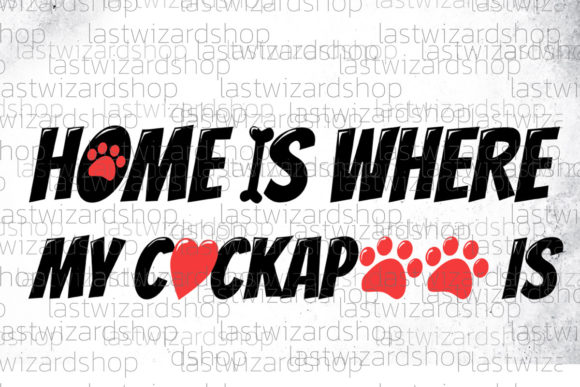
As a designer who spends half my life in the embroidery hoop and the other half trying to make sense of what customers actually want, I have learned that not every cute design translates well into stitched form. There is a distinct difference between a graphic that looks good on a screen and a machine embroidery design that holds its shape after washing. That is why I take the time to evaluate digital assets before adding them to my library or using them for client work. Today, I am putting Home is Where My Cockapoo is, Cockapoo under the microscope. This piece falls squarely into the Crafts and Graphics categories, offering a mix of text and imagery that targets the massive market of dog lovers. But does it have the structural integrity to be a bestseller, or is it just another fleeting trend?
The First Impression: Mood and Visual Personality
When you first load this file, the immediate takeaway is warmth. The phrase "Home is Where My Cockapoo is" taps directly into the emotional core of pet ownership. It is not just about a dog; it is about comfort, family, and belonging. Visually, the layout feels balanced, likely pairing a playful font with a recognizable silhouette of a Cockapoo or a paw print element. For an embroidery project, this balance is crucial. If the text is too dense, it becomes a chore to stitch. If the image is too small, it gets lost in the thread count.
The design creates a cozy, inviting mood. It feels like something you would see in a boutique nursery or on a personalized gift for a new homeowner. The personality here is friendly and approachable. It avoids being overly serious or trendy in a way that will date quickly. Instead, it relies on the timeless appeal of pets. This makes it a strong candidate for long-term inventory rather than a short-lived seasonal item. However, the success of this mood depends entirely on execution. A poorly digitized version can turn a heartwarming message into a tangled mess of stitch density.
Real-World Application: From Screen to Stitch
I often think about where a design lives once it leaves the computer. With Home is Where My Cockapoo is, Cockapoo, the versatility is impressive. It is not limited to one type of handmade product. In fact, its strength lies in its adaptability across various mediums.
- Custom Apparel: This design shines on sweatshirts and hoodies. The soft fabric provides a stable base for fill stitch areas, allowing the dog’s fur texture (if present) to look plush and realistic. It also works beautifully on t-shirts for a lighter, more casual look.
- Baby Items: Nursery decor and baby clothes are huge markets. A soft pastel colorway of this design on a onesie or a muslin blanket creates an instant emotional connection with parents. It serves as a perfect personalized gift for baby showers.
- Home Decor: Pillow covers, tea towels, and kitchen aprons are excellent candidates. The text adds a narrative element to functional items, making them feel curated and thoughtful.
- Accessories: Tote bags and caps allow for smaller, focused placements. A chest pocket placement on a cap or a centered design on a canvas tote bag highlights the quote without overwhelming the garment.
For Etsy sellers and small business owners, this variety means you can test multiple product types without needing different designs. One digital embroidery file can drive sales across apparel, home goods, and accessories. This efficiency is key for scaling a craft business effectively.
Performance in Specific Scenarios
Let’s talk about the actual stitching experience. When I evaluate a design, I look at how it handles satin stitch versus running stitch. Text-heavy designs often rely on satin stitches for clean edges. If the digitization is poor, the text can pucker or become illegible. With this specific quote, the lettering needs to be clear enough to read from a distance but refined enough to look professional. The Cockapoo imagery, likely featuring curly fur textures, requires careful handling of thread colors to avoid a muddy appearance. Lighter threads on light fabrics might lose definition, while dark threads on dark fabrics can disappear entirely. Testing contrast is non-negotiable.
Where to Exercise Caution
No design is perfect for every situation. While Home is Where My Cockapoo is, Cockapoo is versatile, there are specific scenarios where you need to be careful. Avoid placing this on highly textured fabrics like heavy tweed or thick fleece unless you are using a substantial stabilizer. The needle penetration can be difficult, leading to skipped stitches.
Similarly, thin or stretchy fabrics require extra support. Without the right stabilizer, the tension of the fill stitch can distort the fabric, causing the design to look warped. Curved surfaces, such as the front panel of a baseball cap, can also be tricky. If the design has sharp corners or intricate details, they may not lay flat against the curve. In these cases, simplifying the placement or adjusting the angle might be necessary.
Another area of caution is small hoop sizes. If you attempt to stitch this design in a very small hoop, you risk losing detail. Tiny elements, such as small paw prints or delicate script letters, may merge together. Always check the final size relative to your hoop capacity. If the design includes tiny text, ensure it remains legible after stitching. Sometimes, reducing the size slightly improves clarity by preventing overcrowding.
Practical Designer Notes for Success
To get the most out of this asset, follow these practical steps before committing to a final product. First, always test the design on scrap fabric that matches the weight and texture of your intended project. This reveals potential issues with puckering, tension, or stability.
Second, review the stitch density. High-density areas can cause bulkiness, especially on lightweight garments. If the design feels too heavy, consider trimming unnecessary underlay stitches if your software allows it. Third, inspect small details closely. Zoom in on the vector files (SVG, DXF, PNG, EPS) to ensure the paths are clean. Jagged lines in the source file will result in jagged stitches.
Fourth, use proper stabilizer. Cut-away stabilizers are generally safer for durable items like tote bags and caps, while tear-away stabilizers work well for temporary projects like baby clothes. Fifth, test the design in black and white mockups. This helps you assess the contrast and visual balance without the distraction of color. Finally, confirm the licensing terms. As a commercial embroidery asset, you must ensure you have the right to sell finished products made with this design. Some licenses restrict the number of units you can produce or prohibit resale altogether.
Final Verdict
Home is Where My Cockapoo is, Cockapoo is a solid addition to any designer’s toolkit. It combines emotional resonance with practical versatility. For Etsy sellers and small shop owners, it offers a low-risk, high-reward opportunity to create custom apparel and personalized gifts that resonate with a broad audience. The key to success lies in careful execution. By paying attention to fabric choice, stabilizer selection, and thread contrast, you can transform this digital asset into a tangible product that customers love.
Whether you are creating a holiday embroidery collection, expanding your baby embroidery line, or simply looking for a reliable tote bag design, this piece delivers. It respects the craft while appealing to the heart. Just remember: the best embroidery starts with smart planning. Test thoroughly, stitch confidently, and let the quality of your work speak for itself. This design has the potential to be a staple in your design assets, driving engagement and trust with your buyers for years to come.