Reviewing the 18th Birthday Card Design
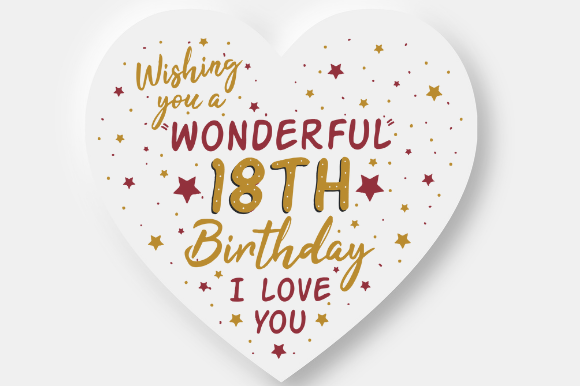
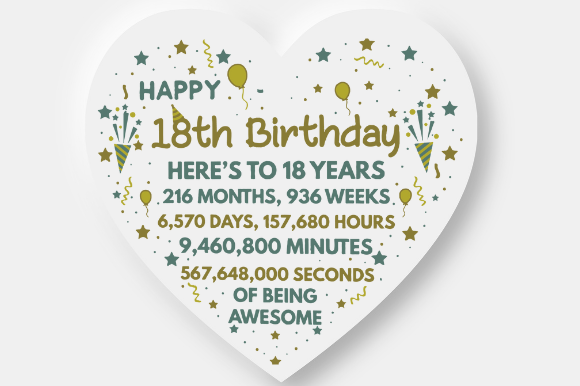
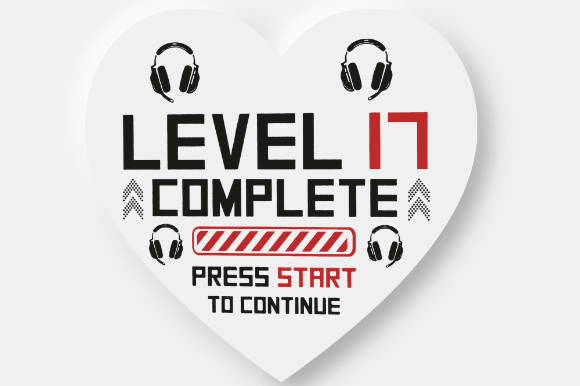
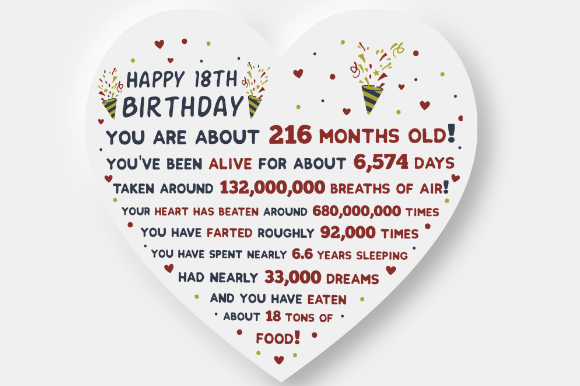
When I sit down to evaluate a new machine embroidery design, my first instinct is always to look past the digital preview and imagine how it will actually behave under the needle. It is one thing for a graphic to look crisp on a screen; it is another entirely for it to hold its structure, readability, and aesthetic appeal after being stitched onto fabric. This week, I spent some time analyzing the 18TH BIRTHDAY CARD 18TH GIFT graphic, specifically looking at its viability for real-world projects, small business merchandise, and personalized gifts. As someone who has reviewed countless files for both hobbyists and professional Etsy sellers, I want to share a practical breakdown of what this design offers, where it shines, and where you might need to exercise caution.
First Impressions: Mood and Visual Personality
The moment you load the file, the intent of the Graphics category becomes clear. The design carries a celebratory, milestone-driven energy that is perfect for marking the transition into adulthood. Unlike generic birthday templates, this piece feels tailored for the specific emotional weight of turning eighteen. It strikes a balance between playful and sophisticated, which makes it incredibly versatile. For an embroiderer, this means you aren't locked into just one type of product. You can lean into the nostalgia with vintage-style fonts or go modern with clean lines, depending on your thread choices.
Visually, the layout appears balanced, avoiding the cluttered look that often plagues busy birthday designs. This is crucial for embroidery because every extra element adds hoop time and potential stitch conflicts. The design personality suggests a handmade product that feels curated rather than mass-produced. When I think about how customers react to finished items, they are usually drawn to designs that feel personal yet polished. This graphic delivers on that front, offering a strong focal point that doesn’t rely on excessive detail to make its statement.
Real-World Application: Where Does This Design Fit?
In my experience, the most successful embroidery businesses diversify their product lines while keeping a cohesive theme. The 18TH BIRTHDAY CARD 18TH GIFT design is a powerhouse for several key categories. Let’s look at how it performs in actual production scenarios.
- Custom Apparel and Sweatshirts: This is perhaps the strongest use case. A well-executed sweatshirt embroidery project featuring this design on a high-quality cotton blend or fleece creates an instant keepsake. Whether it’s placed over the heart or centered on the chest, the text-based nature of the design ensures it remains legible even from a distance. It works beautifully as a graduation gift or a coming-of-age present.
- Tote Bags and Canvas Goods: If you run a craft business that sells accessories, this design translates exceptionally well to canvas tote bags. The sturdy fabric provides a stable surface for stitching, allowing the stitch density to pop without puckering. Imagine a neutral-colored tote with the design embroidered in contrasting thread colors—it immediately elevates the item from a simple bag to a boutique accessory.
- Personalized Gifts and Baby Items: While eighteen is a milestone for teens, the "card" aesthetic lends itself to younger demographics if adapted correctly. You could use this concept for a child’s first birthday or a sweet sixteen party. However, for true baby embroidery, you would likely want to adjust the typography to be softer. Still, the core graphic asset provides a solid foundation for creating a personalized gift line that spans age groups.
- Home Decor and Kitchen Textiles: Don’t overlook kitchen towels or pillow covers. A subtle, smaller placement of this design on a tea towel can serve as a unique housewarming gift for young adults moving into their first apartment. It adds a touch of warmth and celebration to everyday items.
Technical Considerations and Stitch Clarity
As a designer, I have to look at the mechanics of the file before recommending it for sale. The success of any embroidery project hinges on technical execution. Here is what you need to consider when digitizing or using this design.
Stitch Density and Fabric Choice: Because this design likely features text and potentially decorative borders, checking the stitch density is paramount. If the design is too dense on a lightweight fabric, you risk puckering. Conversely, if it is too sparse on a textured fabric like denim or terry cloth, the details may get lost. Always test on scrap fabric that matches your final material. If you are working with a textured fabric, you may need to increase the contrast of your thread colors to ensure the design stands out.
Hoop Size and Placement: Ensure the design fits comfortably within your standard hoop sizes. If you plan to place this on a curved surface like a cap or a hat, you will need a specialized cap frame and possibly a modified version of the design to account for the curvature. Flat surfaces like tote bags or flat-fronted sweatshirts are safer bets for maintaining sharp corners and straight lines.
Thread Color Contrast: The visual impact of this design relies heavily on color theory. On dark fabrics, light threads will provide excellent visibility, but you must ensure there is enough contrast between different elements of the design itself. If the design uses multiple shades, verify that adjacent colors are distinct enough to be recognized once stitched. A quick trick is to view your mockup in black and white; if the shapes merge together, you may need to adjust your thread colors or add a running stitch outline to separate elements.
Where to Exercise Caution
Not every application is suitable for every design. There are specific scenarios where you should pause and re-evaluate:
- Small Hoop Sizes: If the design contains tiny lettering or intricate details, avoid placing it in very small hoops. Fine details can become muddy or disappear entirely if the stitches are too close together relative to the size of the element.
- Stretchy or Thin Fabrics: Delicate knits or thin synthetics can distort under the tension of an applique design or heavy fill stitch. If you must use these fabrics, invest in high-quality stabilizer and consider using a cut-away stabilizer for permanent support.
- Dense Stitch Areas: If the design includes large blocks of fill stitch, be mindful of needle penetration. Too many stitches in one area can weaken the fabric fibers over time, especially if the item undergoes frequent washing.
Business Value and Customer Appeal
For those of you selling finished goods or digital assets, the commercial viability of the 18TH BIRTHDAY CARD 18TH GIFT design is worth noting. Eighteenth birthdays are significant events, and parents, relatives, and friends are actively looking for meaningful gifts. A professionally executed embroidered item taps into the desire for something tangible and lasting in a digital age.
This design supports commercial embroidery opportunities well. It is broad enough to appeal to a wide audience but specific enough to feel special. When listing this on platforms like Etsy, high-quality printable mockups are essential. Show the design on various products—a sweatshirt, a tote, and a pillow—to help buyers visualize the versatility. Clear photography that highlights the texture of the embroidery and the quality of the stabilizer work builds trust and justifies a premium price point.
Furthermore, this design aligns well with current trends in small shop product development. Consumers are increasingly drawn to brands that offer customization and heartfelt messages. By offering this design as part of a collection—perhaps paired with complementary graphics—you can create a cohesive brand identity that resonates with customers celebrating life milestones.
Final Verdict and Practical Next Steps
The 18TH BIRTHDAY CARD 18TH GIFT graphic is a solid addition to any embroiderer’s library. It offers a clean, celebratory aesthetic that translates well across multiple product types, from apparel to home decor. Its strength lies in its adaptability and its ability to convey emotion through simple, effective design.
Before committing to a full production run, I strongly advise testing the design thoroughly. Check the hoop size constraints, experiment with different thread colors to find the best contrast, and inspect the stitch density for any potential issues. Confirm your licensing terms to ensure you are cleared for commercial embroidery sales. With proper preparation, this design has the potential to become a staple in your craft business, helping you create memorable finished products that customers will cherish long after the party ends.