Brother Bunny Svg: A Designer’s Review for Real Embroidery Projects
When I sit down to evaluate a new digital asset for my studio, I am rarely interested in the marketing fluff. I care about stitch density, how a design translates from a vector screen to physical thread, and whether it will hold up on a customer’s hoodie after twenty washes. Recently, I pulled Brother Bunny Svg into my workflow to test its viability for both personal customization and small business merchandise. This is not just another cute graphic; it is a functional design file that requires careful consideration before it ever touches an embroidery hoop.
First Impressions and Visual Personality
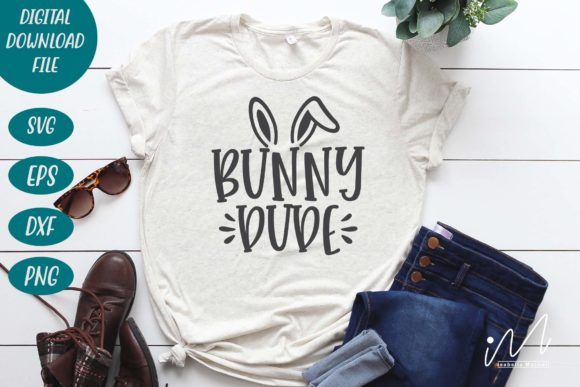
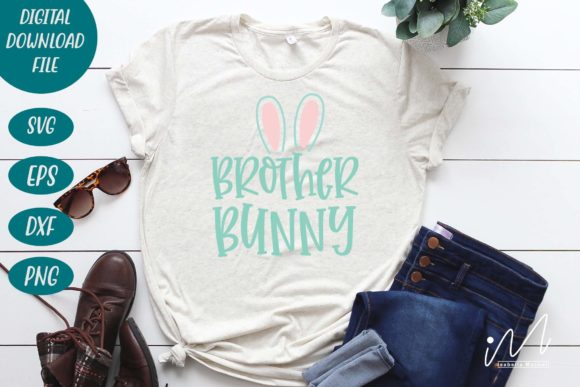
The moment you open the Brother Bunny Svg, the layout communicates a specific mood. It is playful, approachable, and undeniably soft. For an embroidery designer, the initial visual appeal is critical because it sets the tone for the finished product. This design leans heavily into the "cute" aesthetic, which makes it a natural fit for nursery decor, baby gifts, and spring-themed collections. However, as a professional, I look past the charm to assess structural integrity. The shapes appear clean, with distinct separations between elements that suggest good potential for clear stitching.
The theme revolves around a bunny motif paired with the quote ” Brother bunny “. This textual element adds a layer of personality that transforms a simple animal silhouette into a personalized statement. In the world of handmade products, text can be the difference between a generic item and a meaningful gift. The font style, while not explicitly detailed in the raw file preview, appears to complement the organic curves of the bunny, creating a balanced composition that feels cohesive rather than cluttered.
Real-World Application: From Screen to Stitch
I tested this concept across several common embroidery project scenarios to see where Brother Bunny Svg truly shines. The first scenario was a custom embroidered tote bag for a local craft fair. Tote bags are a staple for any Etsy seller or small shop product line. Because the design allows for color changes, I was able to experiment with thread colors that popped against the canvas fabric. The result was a sturdy, eye-catching tote bag design that felt substantial and well-made. The contrast between the thread and the fabric texture enhanced the visual depth, making the bunny stand out without looking flat.
Another practical use case involved sweatshirt embroidery. Hoodies and crewnecks are high-value items for custom apparel. When digitizing or preparing this machine embroidery design for a fleece interior, the key is ensuring the backing stabilizer does not create a stiff, uncomfortable patch. Brother Bunny Svg works well here because its central focus allows for a concentrated stitch area, keeping the garment flexible. It also serves as excellent sweatshirt embroidery for holiday gifts or birthday presents, where the recipient appreciates a unique, one-of-a-kind touch.
I also considered its application on baby clothes. The softness associated with the bunny theme aligns perfectly with baby embroidery projects like bibs, bonnets, and onesies. Parents are often looking for items that feel gentle and safe. The design’s simplicity ensures that there are no overly complex details that might snag on delicate skin, provided the underlay stitches are set correctly. It is a versatile choice for personalized gift packages that aim to evoke warmth and affection.
Technical Considerations and Potential Pitfalls
No design is without its challenges, and Brother Bunny Svg is no exception. While it looks great in a digital mockup, real-world execution requires caution. One area to watch closely is the stitch density. If the design is scaled down too much for small hoop size applications, such as a cap logo or a tiny pocket square, the individual stitches may merge together, losing definition. It is crucial to check the minimum viable size before committing to production.
Fabric selection plays a massive role in the final outcome. On stretchy fabrics like jersey knits, the tension of the embroidery can cause puckering if not stabilized properly. Similarly, textured fabrics like heavy tweed or boucle can obscure the finer details of the bunny’s features. I recommend avoiding thin or sheer materials, as the fill stitch areas might show through to the front, creating an unprofessional appearance. Dark fabrics require a higher thread count or a lighter thread color to ensure the design remains visible and crisp.
Another technical aspect is the handling of curved surfaces. Applying this design to a baseball cap or a curved pillow cover demands precise hooping techniques. If the fabric shifts during stitching, the alignment of the text and the bunny could become distorted. For beginners, flat surfaces like aprons, tea towels, or flat panels are safer bets to achieve a polished finished product.
Stitch Types and Detail Management
While the exact stitch types are determined by your digitizing software, designs in this category typically rely on a combination of satin stitch for outlines and fill stitch for body areas. The running stitch might be used for fine details like whiskers or eyes. It is important to inspect these small details in a black and white mockup to ensure they will read clearly when stitched. If the lines are too thin, they may disappear entirely in the final embroidery. Using a proper stabilizer is non-negotiable to support these delicate threads and prevent breakage.
Commercial Viability and Branding
For craft business owners, the value of a design extends beyond aesthetics. Brother Bunny Svg offers strong branding potential due to its recognizable theme. It fits seamlessly into seasonal collections, particularly for Easter, spring birthdays, or baby showers. The ability to change colors means you can adapt the design to match various brand palettes, maintaining brand consistency across different product lines.
However, commercial use comes with responsibility. Before listing this as a digital embroidery file or selling commercial embroidery items, you must verify the licensing terms. The description mentions SVG, DXF, EPS, and PNG formats, which suggests versatility for cutting machines and graphic design software, but it does not explicitly grant commercial rights for embroidery sales. Always confirm whether you are allowed to sell finished goods made from this design. Transparency with your customers builds trust and protects your creative entrepreneur status.
Practical Tips for the Embroidery Designer
To get the most out of Brother Bunny Svg, follow these practical steps:
- Test on Scrap Fabric: Never run a new design directly onto a final product. Use scrap pieces of the same material to check tension and stability.
- Check Thread Contrast: Ensure the thread colors provide enough contrast against the fabric. Low contrast can make the design look muddy.
- Review Stitch Density: Adjust the density settings in your software if the design looks too sparse or too dense for the chosen fabric.
- Inspect Small Details: Zoom in on the eyes and text. If details are lost, consider simplifying the design or increasing the scale.
- Use Proper Stabilizer: Match the stabilizer type (cut-away, tear-away, or water-soluble) to the fabric weight and stretch.
- Confirm Licensing: Read the license agreement carefully to understand what you can and cannot do with the design assets.
Final Verdict
Brother Bunny Svg is a charming, versatile addition to any designer’s library. It excels in projects that require a touch of whimsy and warmth, such as holiday embroidery gifts, apron customization, and nursery decor. Its clean layout and adaptable nature make it suitable for both hobbyists and professional Etsy sellers. By paying attention to technical details like stitch density, fabric choice, and licensing, you can transform this digital file into a high-quality, marketable handmade product that customers will love.
In summary, this design is more than just a cute picture; it is a tool for creation. With careful preparation and realistic expectations, Brother Bunny Svg can help you produce professional, engaging, and profitable embroidery projects. Whether you are decorating a single item for a friend or building a robust catalog for your online store, this design offers a solid foundation for creative success.