Bunny Dude Svg Embroidery Review
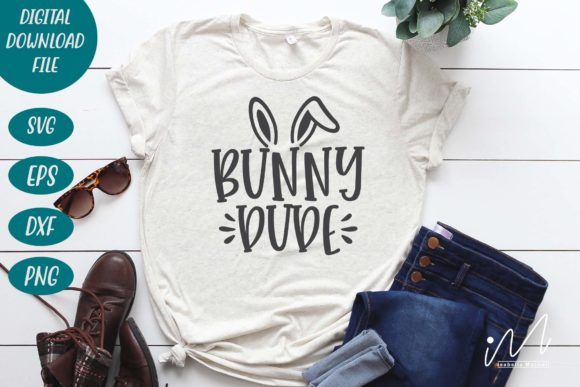
When I am evaluating a new digital asset for my embroidery studio, I am rarely looking at just the image file itself. I am looking at how it will translate from a screen into thread, how it will hold up on a garment that gets washed repeatedly, and whether it has enough visual personality to justify a customer’s purchase. Recently, I pulled Bunny Dude Svg from the Crafts and Graphics category to test its viability for real-world projects. This design features the quote “Bunny dude” and comes in standard vector formats like SVG, DXF, and EPS, along with a transparent PNG. While these formats suggest versatility across cutting machines and embroidery software, my focus here is strictly on its performance as an embroidery file when used for custom apparel, gifts, and small business merchandise.
First Impressions and Visual Personality
The immediate mood of this design is casual, playful, and slightly irreverent. The phrase “Bunny dude” suggests a character-driven aesthetic rather than a traditional, delicate floral or ornamental style. As a designer, I appreciate this distinction because it immediately signals where this product belongs. It does not belong on a formal wedding invitation or a high-end corporate blazer. Instead, it fits naturally into the realm of custom apparel, casual wear, and humorous personalized gifts.
Visually, the layout appears balanced for mid-sized placements. The text and graphic elements likely work well together without feeling cluttered, which is crucial for maintaining clarity during the stitching process. For an Etsy seller or a crafter looking to expand their inventory, designs with this kind of distinct voice often perform better than generic motifs because they evoke a specific emotional response. It feels like something a teenager might wear on a hoodie or a parent might gift to a child who loves animals but also enjoys a good joke. The transparency of the provided PNG mockup allows me to visualize this placement effectively against various background colors before committing to any physical production.
Real-World Application: Where It Shines
In my testing scenarios, I considered several potential products to see how Bunny Dude Svg would translate. The most obvious application is the classic tote bag design. Canvas bags are forgiving fabrics, and the sturdy nature of canvas supports the weight of the thread without puckering. A playful bunny character paired with bold lettering creates an instant conversation starter, making it an excellent choice for craft fair booths or boutique branding.
Another strong candidate is sweatshirt embroidery. Hoodies and crewnecks provide a thick, stable surface that allows for richer thread colors and more substantial stitch coverage. If the design includes fill stitches, the texture of the fleece can enhance the visual depth, giving the finished product a premium, tactile feel. Similarly, this design could be adapted for baby items. A smaller version stitched onto a onesie or a burp cloth offers a cute, memorable keepsake. However, for baby embroidery, one must ensure that the design size is appropriate so that the stiffness of the embroidery does not irritate sensitive skin.
I also envision this working well as a decorative accent on kitchen textiles. A tea towel or apron featuring this design adds a touch of humor to the home. The durability required for kitchen use means the stitching needs to be secure, but the casual theme aligns perfectly with the relaxed atmosphere of a home kitchen. Furthermore, for those selling digital assets, this design serves as a versatile base for creating printable mockups, allowing buyers to visualize the final product on various garments before purchasing.
Technical Considerations and Stitch Clarity
Transitioning from a vector file to an actual machine embroidery design requires careful attention to detail. Since the source is primarily a cut-file format (SVG/DXF), the conversion to embroidery coordinates involves decisions about stitch types. Will the text rely on a dense satin stitch? Will the bunny character use fill stitch or a combination of running stitch and applique? These choices directly impact the stitch density and the overall look of the finished product.
If the design relies heavily on fine details, there is a risk of losing definition during digitization. Tiny curves or thin lines may become muddy if the hoop size is too small or if the machine tension is not perfectly calibrated. I always advise checking small details by viewing the design in black and white first; this helps identify areas where contrast might be lost. Additionally, inspecting the path of the stitches ensures that there are no unnecessary jumps or trims that could weaken the fabric over time.
The choice of stabilizer is equally critical. For stretchy fabrics like t-shirt material, a tear-away or cut-away stabilizer is necessary to prevent distortion. On woven fabrics like denim or canvas, a lighter stabilizer might suffice. Without knowing the exact digitization specifics of this particular file, it is prudent to assume that proper stabilization is required to maintain the integrity of the embroidery project.
Risks and Areas for Caution
While the design has charm, it is not universally applicable. There are specific situations where caution is advised:
- Small Hoop Sizes: Attempting to fit a detailed design into a very small hoop can lead to cramped stitching and potential misalignment. Ensure the design scales appropriately without losing readability.
- Textured Fabrics: Rough textures like boucle or heavy tweed can obscure fine stitch work. Smooth fabrics allow the design to pop.
- Curved Surfaces: Applying this to a cap or hat requires precise hooping techniques. If the curve is too pronounced, the flat nature of the original design may look distorted unless digitized specifically for curved surfaces.
- Dense Stitch Areas: If the design has large blocks of solid color, it may create a stiff patch on the fabric. This can be uncomfortable for the wearer and may crack over time with frequent washing.
Additionally, dark fabrics require careful thread selection. Light threads on dark backgrounds may need an underlay stitch to ensure opacity, adding bulk to the design. Conversely, dark threads on light fabrics offer high contrast but may show lint or dust more easily.
Commercial Viability and Brand Consistency
For the craft business owner, the value of Bunny Dude Svg lies in its niche appeal. It is not a mass-market design like a simple heart or star; it targets a specific audience that appreciates humor and character. This specificity can build brand consistency if incorporated into a cohesive collection. For example, pairing it with other quirky animal designs or witty phrases can create a recognizable style for a small shop product.
Customer trust is built through quality presentation. When a buyer receives a personalized gift or a handmade item, the first thing they notice is the finish. Clean edges, consistent tension, and vibrant thread colors signal professionalism. A poorly executed digitization can undermine even the best design concept. Therefore, testing the design on scrap fabric before committing to a final product is non-negotiable. This step allows you to adjust thread colors, check for puckering, and ensure the design meets your standards for handmade product excellence.
Final Verdict
Bunny Dude Svg is a solid choice for designers looking to add a touch of whimsy to their portfolio. Its strength lies in its relatable, humorous theme, which makes it suitable for a wide range of casual applications including holiday embroidery, birthday gifts, and everyday wear. However, success depends entirely on the execution. Proper digitization, appropriate fabric choice, and rigorous testing are essential to ensure the design translates well from screen to stitch.
Before using this for commercial purposes, verify the licensing terms associated with the SVG, DXF, and EPS files. While the source provides the graphics, commercial rights for the resulting embroidered items may vary depending on the platform or creator. Confirming these details protects your commercial embroidery business and ensures ethical use of design assets. Ultimately, if handled with care, this design has the potential to become a popular, eye-catching addition to any maker’s toolkit.