Tiny Valentine Svg Review
When I sit down to evaluate a new digital asset for my embroidery workflow, I am rarely looking for just another pretty picture. As a designer who has stitched thousands of garments and accessories, I am looking for stitch density, visual balance, and commercial viability. Today, I am putting the Tiny Valentine Svg through its paces. This is not just about how it looks on a screen; it is about how it translates to thread, fabric, and ultimately, a finished product that a customer will love.
The Tiny Valentine Svg arrives as part of a versatile package including SVG, DXF, EPS, and PNG formats. For those of us in the craft business, this multi-format support is a significant advantage. It allows for seamless integration whether you are digitizing for a home machine or scaling up for industrial production. The inclusion of a transparent PNG preview is particularly helpful for quick mockup creation before committing to expensive thread and fabric.
First Impressions and Visual Personality
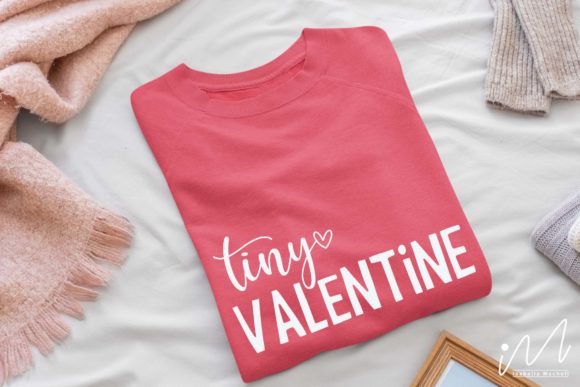
The immediate mood of the Tiny Valentine Svg is one of playful intimacy. The quote “Tiny Valentine” suggests a design that is meant to be small, personal, and perhaps a bit whimsical. In the world of embroidery project planning, size dictates detail. A design labeled "tiny" usually implies that it relies on clean lines rather than complex shading or dense fill stitches. This is crucial information for an embroiderer because it sets expectations for clarity.
Visually, the layout feels balanced. It does not scream for attention but rather invites a closer look. This makes it an excellent candidate for personalized gift items where the sentiment matters more than the spectacle. The typography appears sturdy enough to hold its shape, which is a common pain point in machine embroidery design. Thin, script-like fonts often fray or disappear into the fabric texture, so seeing a structure that promises readability is a relief.
Real-World Application: The Custom Tote Scenario
To truly test this design, I imagined a specific use case: creating a boutique-style tote bag for a local craft fair. The goal was to produce a handmade product that felt professional yet approachable. I selected a natural canvas tote and decided to place the Tiny Valentine Svg on the lower front panel, slightly off-center for a modern aesthetic.
Using a contrasting thread color—perhaps a soft blush pink on the natural beige canvas—the design popped immediately. Because the file is an SVG Cut File, I could adjust the scale precisely to fit the available space without distorting the aspect ratio. The result was a tote bag design that looked curated and intentional. It didn’t look like a mass-produced item; it looked like something from a small shop product line with a distinct brand voice.
This scenario highlights why the Tiny Valentine Svg is valuable for Etsy sellers and creative entrepreneurs. It offers high perceived value with relatively low material cost. The simplicity of the design means less thread usage and faster stitching times, which directly impacts your profit margins when selling finished goods.
Performance Across Different Media
While the tote bag was a success, the versatility of the Tiny Valentine Svg extends far beyond bags. Here is how it performs in other common custom apparel and accessory categories:
- Sweatshirt Embroidery: Placed over the heart on a crewneck sweatshirt, the design adds a subtle touch of personality. It works well as a standalone element or paired with minimalistic floral accents. The clean lines ensure it remains legible even after multiple washes.
- Baby Embroidery: Given the "Tiny" moniker, this design is perfectly scaled for baby onesies or burp cloths. On soft cotton blends, the satin stitch edges (if digitized appropriately) provide a smooth finish that is gentle against sensitive skin. It is an ideal choice for holiday embroidery gifts during Valentine’s Day season.
- Embroidered Patch: The compact nature of the design makes it suitable for iron-on or sew-on patches. You can add a border using a simple running stitch to create a defined edge, turning it into a durable embroidered patch for denim jackets or backpacks.
- Kitchen Towels and Aprons: For the home decor market, this design brings warmth to kitchen textiles. On a flour-sack towel, it adds a charming detail that elevates a basic utility item into a thoughtful present.
Where Caution Is Required
No design is universally perfect, and as an experienced reviewer, I must highlight areas where the Tiny Valentine Svg requires careful handling. Simplicity can sometimes mean fragility if not executed correctly.
First, consider the hoop size. If you attempt to stitch this at a very small scale on a textured fabric like terry cloth or heavy wool, the details may get lost. The fabric texture can overwhelm the fine lines of the text. In such cases, a tighter weave or a smoother fabric is necessary to maintain stitching clarity.
Second, avoid placing this design on highly stretchy fabrics without proper stabilization. While the design itself is static, the fabric movement can cause puckering if the stabilizer is not chosen correctly. Always test on scrap fabric first to determine the right combination of cut-away or tear-away stabilizer.
Additionally, be mindful of dark fabrics. If you plan to use light-colored threads, ensure the contrast is sufficient. On deep navy or black backgrounds, some lighter shades might require a backing layer or a different thread weight to appear vibrant. Conversely, using white thread on white fabric is generally discouraged unless you are using specialty metallic or pearlized threads that catch the light differently.
Practical Designer Notes for Execution
To get the best results from the Tiny Valentine Svg, follow these practical steps before starting your main project:
- Test Stitch Density: Even though the source is a vector, the way it is digitized determines the final feel. Check if the fill stitch areas are too dense, which can cause bulkiness, or if the running stitch outlines are spaced too widely, which can lead to thread breaks.
- Review Small Details: Zoom in on the lettering. Are the serifs clear? Is the spacing between letters consistent? Poor kerning can make a professional design look amateurish.
- Mockup in Black and White: Convert your digital preview to grayscale. This helps you assess the visual weight of the design independent of color. If the design loses impact in black and white, the composition might need adjustment.
- Check Licensing: Before listing any finished items on Etsy or your own website, verify the license terms. Ensure you have the right to sell physical products made from this digital embroidery file. Most graphics sold in this category allow for limited commercial use, but it varies by creator.
Final Verdict
The Tiny Valentine Svg is a solid, practical addition to any designer’s library. It excels in projects that require a delicate, personalized touch. Its strength lies in its adaptability—it fits comfortably on apparel decorators’ racks, boutique branding materials, and printable mockups alike.
For the hobbyist, it offers a rewarding project that yields a beautiful result with minimal fuss. For the commercial embroiderer, it represents a low-risk, high-reward design asset that appeals to a broad audience seeking sentimental gifts. By paying attention to fabric choice, stabilizer selection, and thread contrast, you can leverage the full potential of this design. It is a testament to the fact that sometimes, the smallest designs make the biggest impression.
If you are looking to expand your design assets with something that balances charm with professionalism, the Tiny Valentine Svg is worth considering. Just remember to always prioritize quality control in your stitching process. A well-executed embroidery project speaks volumes about your craftsmanship, regardless of the complexity of the design itself.